
Leading Foundation Repair Materials for a Stronger, Safer Home
Choose from proven products designed to reinforce your foundation and prevent future structural issues.
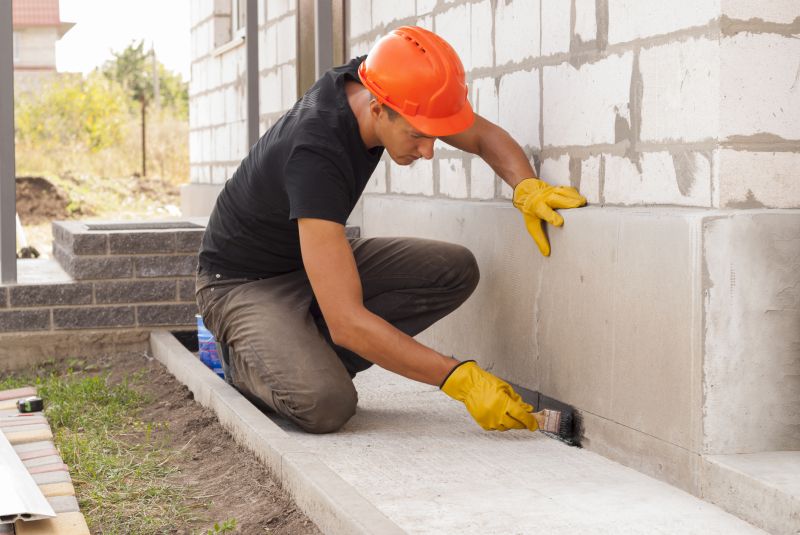 Foundation repairs are a critical aspect of maintaining the structural integrity of a building, especially in areas like Tullahoma, TN where soil conditions can vary. Selecting the right products for foundation repair requires careful consideration of the specific issues faced, such as settling, cracking, or shifting. A wide range of solutions is available to address these concerns, from underpinning systems to stabilization products, each designed to reinforce and stabilize foundations effectively.
Top Overall Option
Polyurethane Foam Injection System
Polyurethane foam injection systems are versatile and minimally invasive solutions for addressing foundation settling and voids. They expand upon injection to fill gaps and stabilize soil beneath the foundation, providing immediate support. These systems are suitable for a variety of foundation types and can be used to lift and level uneven slabs or stabilize areas affected by soil erosion. Their ease of application and adaptability make them a popular choice for both minor repairs and more extensive stabilization projects.
Types of Products For Foundation Repairs
Push Pier Systems
Push pier systems involve steel piers driven into stable soil beneath the foundation to provide support and lift.
Helical Pier Systems
Helical piers are screwed into the ground to stabilize and lift foundations, ideal for variable soil conditions.
Slab Jacking and Mudjacking
This process involves injecting a grout mixture beneath concrete slabs to lift and level sunken areas.
Polyurethane Foam Injection
A lightweight, quick-setting solution that fills voids and stabilizes soil under the foundation.
Carbon Fiber Reinforcement
Carbon fiber strips are used to reinforce cracked concrete and prevent further cracking.
Underpinning Systems
Underpinning involves extending the foundation depth to more stable soil layers for enhanced support.
Steel Piles
Steel piles are driven into the ground to support heavily settling structures, providing long-term stability.
Grout and Chemical Anchors
Used to fill cracks and secure foundation elements, offering additional reinforcement.
Drainage and Moisture Control Products
Products that manage water flow around the foundation to prevent soil erosion and moisture-related issues.
Foundation Sealants
Sealants help prevent water infiltration and protect cracks from expanding.
Soil Stabilizers
Chemical or mechanical solutions that improve soil strength beneath the foundation.
Vapor Barriers
Moisture barriers installed beneath slabs to reduce water vapor transmission and protect the foundation.
Foundation Bracing and Reinforcement
Structural braces and reinforcement products used to stabilize walls and prevent collapse.
Popular Choices
These kits are commonly used for quick, localized stabilization and lifting of concrete slabs.
A widely used method for underpinning and stabilizing sinking foundations.
Preferred for their ability to adapt to various soil conditions and provide reliable support.
Popular for leveling sunken concrete surfaces in driveways and patios.
Effective for reinforcing cracked walls and preventing further damage.
Commonly installed to divert water away from foundations and reduce soil erosion.
Often chosen for their durability and capacity to support heavy loads.
Used for sealing cracks and preventing water intrusion in foundation walls.
Installed beneath slabs to control moisture and protect against vapor transmission.
Applied to improve soil bearing capacity and reduce settlement risks.
Understanding the different types of foundation repair products can help homeowners and contractors make informed decisions. Some products are designed for immediate stabilization, while others provide long-term support. Proper application and compatibility with existing structures are essential to ensure safety and durability. Consulting with a foundation specialist can provide valuable insights into which products are best suited for particular situations.
In Tullahoma, TN, where soil conditions and climate can influence foundation health, selecting products that are resilient and adaptable is especially important. Whether dealing with minor cracks or significant shifts, there are solutions tailored to various degrees of damage. Regular inspections and timely repairs using appropriate products can help prevent further deterioration and costly repairs in the future.
Investing in quality foundation repair products can also enhance the overall safety and value of a property. While choosing products, consider factors such as ease of installation, compatibility with existing materials, and the potential for future adjustments. Properly selected products, installed correctly, can contribute to a stable and secure foundation for years to come.
Key Buying Considerations
- Assess the extent and type of foundation damage to determine suitable repair products.
- Consider the soil conditions and how they influence the choice of stabilization methods.
- Evaluate the compatibility of repair products with existing foundation materials.
- Determine whether the product provides immediate stabilization or long-term support.
- Check the ease of installation and whether professional assistance is recommended.
- Review the product’s capacity to accommodate future movement or settling.
- Ensure the repair solution is appropriate for the foundation type, such as slab, basement, or pier and beam.
- Consider the potential need for additional waterproofing or moisture control measures.
- Look into the product’s durability and resistance to environmental factors in Tullahoma, TN.
- Verify the warranty or guarantee offered by the manufacturer or installer.
- Assess the cost-effectiveness of the repair products relative to the extent of damage.
- Investigate the availability of replacement parts or additional components if needed.
- Determine if the product allows for future adjustments or repairs without extensive work.
- Consult with a foundation specialist to ensure proper product selection and application.